
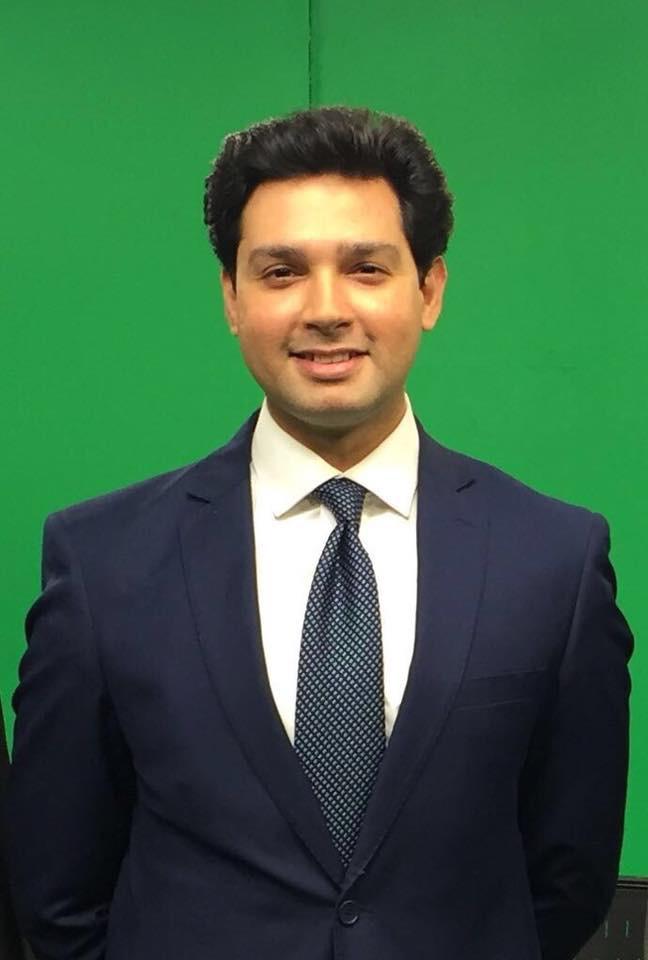
In the complex and often volatile landscape of global politics, few individuals bridge the gap between rigorous academic research and high-level policy application as effectively as Dr. Taimur Shamil. A dynamic academic, national security expert, and foreign policy strategist, Dr. Shamil has emerged as a leading voice in deciphering the strategic intricacies of South Asia and the broader international security order.
A Foundation of Academic Excellence
Dr. Shamil’s intellectual journey is rooted in a profound commitment to understanding the mechanics of power and diplomacy. He holds a PhD in International Relations, a credential that serves as the bedrock of his analytical framework. His academic work often focuses on the intersection of strategic narratives and statecraft, exploring how countries leverage communication and history to achieve their foreign policy objectives.
Further elevating his professional standing is his association with Harvard University, where he is part of the prestigious “Senior Executive program in National and International Security” program 2025, at the Harvard Kennedy School. This experience at the Harvard Kennedy School allowed him to engage with global practitioners and world-class faculty, refining his ability to manage crises and formulate strategies that address 21st-century security challenges—from conventional warfare to the nuances of cyber security and AI.
Dr. Taimur Shamil has established himself as a distinguished guest speaker and educator at some of the world’s most prestigious military and academic institutions. Internationally, he has lectured at American University in Washington D.C., where he provided critical perspectives on South Asian security to global audiences.
Within Pakistan, his expertise are sought by the Pakistan Navy War College in Lahore and the National Defence University (NDU) in Islamabad, where he has served as an Adjunct Professor. His deep analytical contributions at NUST, NUML, and Quaid-i-Azam University focus on “Conflict and Cooperation in South Asia.” By bridging the gap between theory and practice, Dr. Shamil’s insights are frequently incorporated into high-level policy regarding national narrative building and regional strategy.
Bridging Policy and Public Discourse
What distinguishes Dr. Shamil from many of his peers is his ability to translate complex geopolitical theories into accessible public discourse. He has a considerable background in broadcast media, most notably as the former host of the prime-time program “Dialogue with Taimur Shamil” on PTV World, Pakistan’s premier English-language news channel. In this role, he interviewed high-ranking diplomats, military officials, and global scholars, bringing clarity to the often-opaque world of international diplomacy.
His media presence extends beyond national borders; he is a frequent commentator on international outlets such as Al Jazeera, where he provides real-time analysis on shifting power dynamics. This unique “practitioner-communicator” role ensures that his insights reach not only policy corridors but also the informed public.
Think Tank Leadership and Strategic Insights
Dr. Shamil’s influence is deeply embedded in Pakistan’s strategic community. He has served as a Senior Research Fellow at some of the country’s leading think tanks, including the Islamabad Policy Research Institute (IPRI), which is closely associated with the National Security Division of Pakistan. In these roles, he has been instrumental in:
- Track-II Diplomacy: Facilitating unofficial dialogues between Pakistan, Sri Lanka, Saudi Arabia, Kazakhstan, Azerbaijan, Nepal, Afghanistan, and the United States to build trust where formal channels may falter.
- Narrative Building: Advising on how the state can project a soft power image while maintaining a robust security posture.
- Regional Connectivity: Analyzing the impact of the China-Pakistan Economic Corridor (CPEC) and US-India defense deals on regional stability.
Deep Insights on South Asia and Global Security
Dr. Shamil is widely recognized for his deep insights on South Asian foreign policy. He argues that in an era of “Great Power Competition” between the US and China, regional players like Pakistan must move beyond mere policy to “strategy”—a distinction he emphasizes as the difference between reactive measures and visionary planning.
His writing, featured in The News International, Dawn, and The Huffington Post, often explores the “balancing act” required to navigate relations with the West while maintaining vital regional partnerships. He posits that South Asia’s security is no longer just about border disputes but is increasingly tied to economic resilience, technological adaptation, and institutional efficiency.